Dental implants have become the gold standard for replacing missing teeth in Edmonton. They look and function like natural teeth, they don't rely on adjacent teeth for support, and they can last decades when properly cared for. But they're also a significant investment. This guide gives Edmonton residents a realistic picture of what implants cost, how the process works, and what to look for in an implant dentist.
What Are Dental Implants?
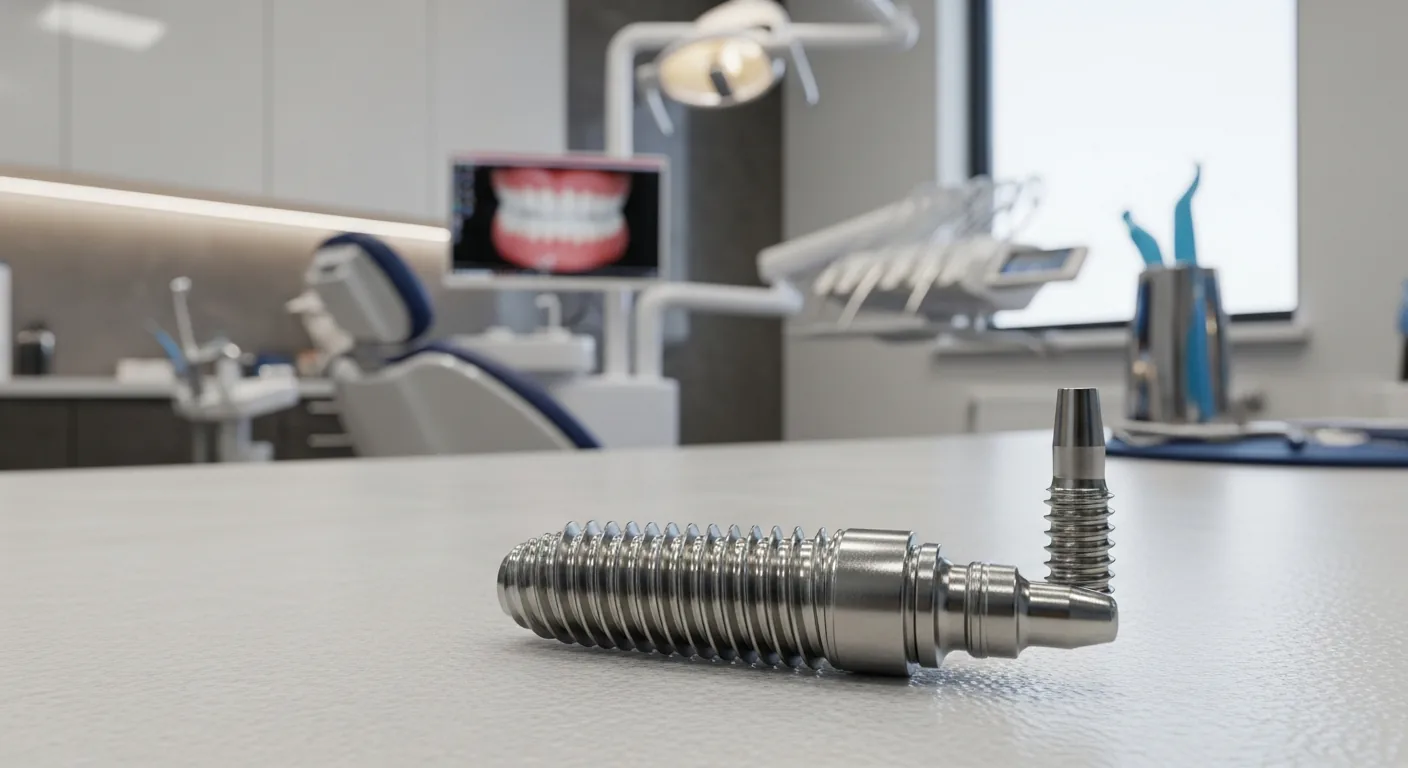
A dental implant has three parts: a titanium post (the "implant") that goes into the jawbone, an abutment that connects the post to the visible part, and a crown that looks and functions like a natural tooth. The titanium post fuses with the bone over several months — a process called osseointegration. Once integrated, the implant is extremely stable, and there's no slipping or irritation the way you sometimes get with dentures.
Implants can also support implant-supported dentures — a full set of teeth anchored by four to six implants. This is called an All-on-4 or similar system and is a more affordable alternative to individual implants for people who need full arch replacement.
Who Is a Good Candidate for Implants?
Not everyone is an immediate candidate for dental implants. Your dentist or oral surgeon will assess:
- Bone density and volume: The implant post needs solid bone to integrate with. If bone has been lost due to gum disease or long-standing tooth loss, a bone graft may be needed first — adding cost and time.
- Gum health: Active gum disease must be treated before implant placement. Healthy gums are essential for long-term implant success.
- Overall health: Conditions like uncontrolled diabetes, autoimmune disorders, or certain medications can affect healing. Be honest with your dentist about your full medical history.
- Smoking: Smoking significantly increases implant failure rates. Most Edmonton implant dentists will discuss this risk directly with patients who smoke.
The Implant Process and Timeline
Getting a dental implant in Edmonton typically takes 3 to 9 months, depending on whether bone grafting is needed and how quickly you heal.
- Consultation and imaging: A 3D cone beam CT scan is taken to assess bone volume and plan the placement precisely.
- Implant placement: A minor surgical procedure under local anesthetic. Recovery takes 3-7 days for most patients.
- Healing (osseointegration): 3 to 6 months of bone fusion. A temporary tooth may be placed during this time.
- Abutment placement and impression: The connector piece is attached, and a mold is taken for the crown.
- Crown placement: The final crown is fitted and adjusted. This is your finished result.
🏠 Find Services By Neighbourhood
Looking for trusted tradespeople near you? Browse our Edmonton neighbourhood guides for local insights and service tips.
View All Edmonton Neighbourhoods →What Dental Implants Cost in Edmonton
Dental implants in Edmonton are a significant expense. Be skeptical of very low advertised prices — they often exclude key components or procedures.
| Component | Typical Edmonton Cost |
|---|---|
| Implant post (surgical placement) | $1,500 – $2,500 |
| Abutment | $500 – $900 |
| Crown (porcelain) | $1,200 – $2,000 |
| Total per tooth (complete) | $3,200 – $6,000+ |
| Bone graft (if needed) | $500 – $3,000 |
| Tooth extraction (if needed first) | $150 – $600 |
Most private dental insurance plans in Alberta cover a portion of the crown but not the implant post or abutment. Some plans exclude implants entirely — check your plan details before committing to treatment.
Finding a Qualified Implant Dentist in Edmonton
General dentists, periodontists, and oral surgeons all place implants in Edmonton. The key is experience and training. Ask any implant provider:
- How many implants have you placed, and what is your success rate?
- Do you use 3D cone beam imaging for placement planning?
- What happens if the implant fails? Is there a warranty or do-over policy?
- Can I see photos of previous cases similar to mine?
Many Edmonton patients see their general dentist for the consultation and crown, while a specialist (periodontist or oral surgeon) places the implant post. This team approach is common and often produces excellent results.