Bed bugs have become one of Edmonton's most challenging urban pest problems. They arrived in significant numbers after 2000, spread by the growth of global travel, second-hand furniture markets, and dense multi-unit housing. They're not a sign of an unclean home — they hitch rides indiscriminately. But once they're in, dealing with them takes real knowledge and, in most cases, professional help. This guide tells you exactly what to expect from a bed bug problem in Edmonton.
What Are Bed Bugs and How Do They Spread?
Bed bugs are small (4-5mm adults, 1mm nymphs), flat, oval insects that feed exclusively on blood — primarily human blood. They're reddish-brown and become more swollen and darker after a blood meal. They're not airborne, they can't jump, and they don't come in from the yard. They spread through:
- Used furniture and mattresses: The most common Edmonton transmission point. Purchasing second-hand upholstered furniture, mattresses, or box springs is a significant risk if you can't verify the source.
- Travel: Hotel, Airbnb, and hostel stays. Bed bugs hide in mattress seams, headboards, and luggage. Edmonton's role as an oil industry hub means significant business travel — and business travellers are a common vector.
- Multi-unit housing: In Edmonton apartment buildings and condominiums, bed bugs spread through shared walls, common areas, and elevator lobby contact. An infestation in one unit can spread to adjacent units within weeks.
- Clothing and personal items: After visiting an infested location, bed bugs can hide in clothing or bags and be transported to your home.
Signs You Have Bed Bugs in Edmonton
- Bites: Often in linear or grouped patterns on exposed skin (arms, neck, legs). Not everyone reacts to bed bug bites — some people show no reaction at all, which is why bites alone aren't a reliable indicator.
- Blood spots on sheets: Small red-brown smears where bugs were accidentally crushed during sleep.
- Fecal spots: Tiny black or dark brown dots on mattress seams, headboard joints, and baseboards near the bed. These are digested blood excreted by the bugs.
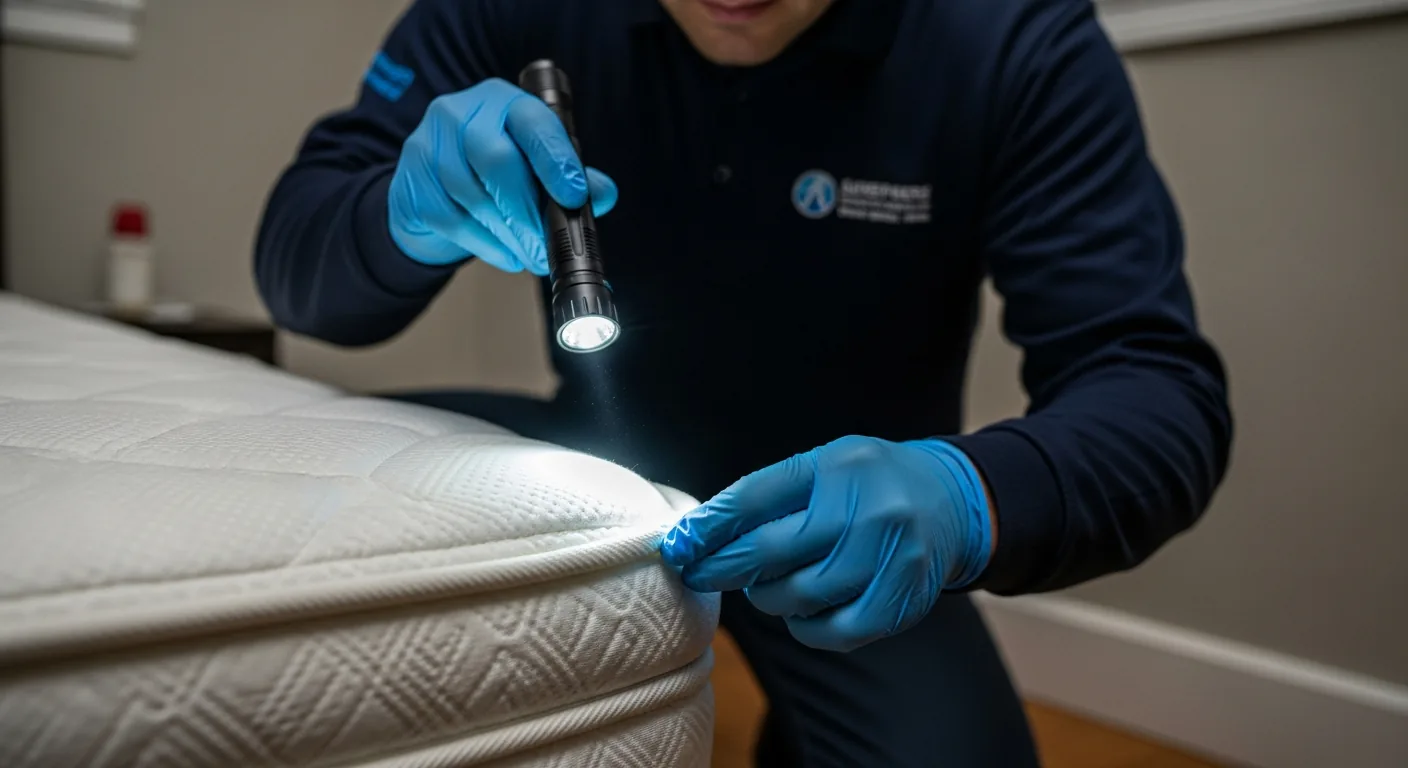
- Live bugs: Check mattress seams, box spring lining, behind headboards, in furniture joints, and behind wall plates near the bed. They're excellent at hiding but can be found with a systematic inspection using a flashlight.
- Shed skins: As bed bugs grow, they shed their exoskeleton. Finding translucent shed skins is a reliable sign of an established infestation.
Bed Bug Treatment Options in Edmonton
Self-treatment of bed bugs almost never fully works. They hide in tiny crevices, and without professional-grade products and techniques, you'll reduce the population temporarily but not eliminate it. Professional treatment options in Edmonton:
- Chemical treatment (insecticides): Applied to all hiding spots — mattress seams, furniture joints, baseboards, wall voids. Requires 2-3 visits over 3-4 weeks because insecticides don't kill eggs. Typically costs $400-$900 per unit.
- Heat treatment: The most effective single-treatment option. Professional equipment heats the entire room (or unit) to 50°C or above for 4-8 hours. Kills all life stages including eggs. No chemicals. Requires thorough preparation. Costs $1,000-$2,500 per unit in Edmonton.
- Combined chemical and heat: Some Edmonton pest control companies combine both approaches for the most thorough elimination.
🏠 Find Services By Neighbourhood
Looking for trusted tradespeople near you? Browse our Edmonton neighbourhood guides for local insights and service tips.
View All Edmonton Neighbourhoods →What to Do Before Treatment
Proper preparation dramatically improves treatment outcomes. Your pest control company will give you a specific preparation checklist, which typically includes:
- Wash all bedding, clothing, and curtains in hot water (60°C minimum) and dry on high heat for 30+ minutes
- Bag and seal items that can't be washed immediately
- Empty drawers and closets near the bed
- Move furniture away from walls
- Dismantle bed frames
- Vacuum thoroughly — mattress seams, furniture, baseboards — and immediately seal and dispose of the vacuum bag outside
- For heat treatment: remove heat-sensitive items (candles, aerosols, plants, pets, some electronics)
Skipping or rushing preparation is the most common reason bed bug treatments fail. Follow the checklist exactly.
After Treatment: Prevention in Edmonton
- Use mattress and box spring encasements that trap any surviving bugs and prevent reentry
- Climb interceptors (cup-shaped traps) under bed legs help monitor for reinfestation
- Inspect any second-hand furniture before bringing it inside — carefully and in good light
- When travelling, check hotel beds before unpacking. Keep luggage off the floor and bed.