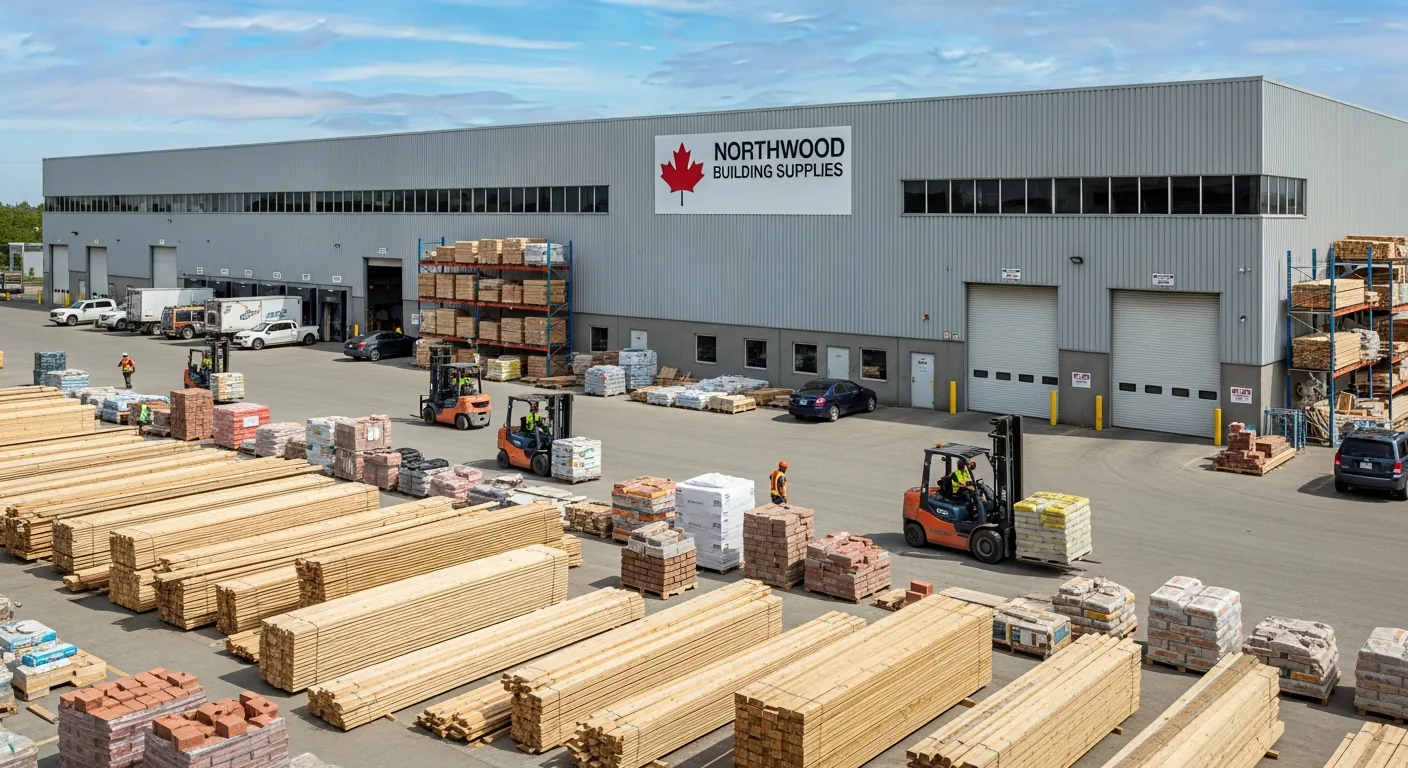
Whether you're building a deck, finishing a basement, or tackling a full renovation, knowing where to buy building materials in Edmonton saves you time, money, and aggravation. Edmonton has a strong building supply market — from big box stores to specialty suppliers — and understanding your options makes every project go more smoothly. This guide covers the full landscape of Edmonton's building supply industry.
Edmonton's Building Supply Landscape
Edmonton's construction industry is robust. With a population of over a million and a consistent housing market, the city supports a wide range of suppliers — from national big box chains to independent lumber yards to trade-focused specialty distributors. Most homeowners do most of their shopping at Home Depot or Rona, but knowing what else is available can save you significantly on specific materials.
Edmonton also has a strong DIY culture. The city's heritage of oil industry workers who own their homes and prefer to do their own work has built a retail supply market that's well stocked and competitively priced. Suppliers know that Edmonton homeowners are often knowledgeable buyers.
Big Box Stores in Edmonton
Home Depot has six locations in Edmonton, including stores in South Edmonton, the west end (Callingwood area), and Clareview in the northeast. For most general renovation projects, Home Depot is the most convenient one-stop shop. They stock lumber, drywall, insulation, electrical, plumbing, flooring, and paint under one roof.
Rona (now owned by Lowe's Canada) has locations in Edmonton and offers a mix of contractor and DIY supplies. Their staff tends to be knowledgeable, and they often have strong seasonal promotions on building materials.
Home Hardware stores in Edmonton's communities are franchise-owned and vary in their building supply depth. The smaller format stores are great for hardware and quick needs, but for volume material purchases, big box stores are usually more competitive.
Specialty Suppliers in Edmonton
For specific materials, Edmonton's specialty suppliers often have better selection, better pricing, and more knowledgeable staff than the big box stores:
- Lumber and framing: Independent lumber yards often beat big box pricing on volume framing materials. Yard staff can also help you with engineered lumber (LVL beams, I-joists) that big box stores sometimes don't stock.
- Insulation: Specialty insulation contractors often supply and install blown insulation at better prices than renting a blower and buying bags. For spray foam, only certified spray foam contractors can supply the product — it's not a DIY material.
- Tile and flooring: Edmonton has dedicated tile and flooring showrooms that carry a much wider selection than big box stores. Centura Tile and several independent flooring retailers operate in the city.
- Plumbing supplies: Trade plumbing suppliers like Wolseley Canada (pro accounts) carry products that aren't available at retail. For high-end fixtures, dedicated plumbing showrooms are worth visiting.
- Electrical: Rexel and Nedco serve the trade market. For homeowners doing their own electrical, Home Depot and Rona carry sufficient supply for most permit-required work.
Alberta Building Code and Zone 7A
Alberta uses its own provincial building code — the Alberta Building Code (ABC), currently in the 2019 edition. It's based on the National Building Code of Canada but with Alberta-specific modifications. If you're planning any structural work, additions, or major renovations, you'll need to understand what the ABC requires for your project.
Edmonton sits in ASHRAE Climate Zone 7A, one of the coldest designations in Canada. This affects insulation requirements significantly. The ABC mandates higher R-values for walls, attics, and foundations in Zone 7A than in warmer provinces. Buying the wrong insulation product — or not enough of it — is a mistake that costs energy for the life of the building. See our Edmonton insulation guide for the full breakdown.
Buying Tips for Edmonton Homeowners
A few practical tips that save money and headaches on Edmonton building supply purchases:
- Buy lumber when prices dip. Lumber prices fluctuate significantly. If you're planning a deck or framing project, watch prices over several weeks. Fall can be a good time to buy as construction slows.
- Ask about contractor pricing. Home Depot's Pro desk offers contractor accounts with volume discounts and extended return periods. If you're buying a significant amount of material, it's worth asking about a pro account even as a homeowner.
- Check Habitat for Humanity ReStores. Edmonton has Habitat ReStore locations that sell donated building materials at deep discounts. You can find flooring, doors, windows, cabinets, and hardware at a fraction of retail price. Quality varies — you need to shop carefully — but the deals can be excellent.
- Factor in delivery. For heavy materials like drywall, concrete, or lumber, delivery is often worth the cost. Most big box stores and lumber yards offer delivery to Edmonton addresses. Compare the delivery fee against the cost of renting a truck and doing it yourself.
🏠 Find Services By Neighbourhood
Looking for trusted tradespeople near you? Browse our Edmonton neighbourhood guides for local insights and service tips.
View All Edmonton Neighbourhoods →Permits and Inspections
Most significant home renovation work in Edmonton requires a building permit from the City of Edmonton. This includes decks over 0.6 metres high, garage construction, basement developments, additions, and structural changes. The permit fee varies based on the scope of work, typically ranging from $200 to $2,000 for residential projects.
Permits aren't just bureaucracy — they trigger inspections that catch problems before walls are closed up. It's far cheaper to fix a framing issue before drywall goes up than after. And permitted work is documented, which matters when you sell your home or make an insurance claim.