Edmonton homes need more insulation than homes in almost any other major Canadian city. Our position in ASHRAE Climate Zone 7A — with design temperatures of -40°C and heating seasons that run more than 200 days a year — means that underinsulating your home costs you money every single month. This guide explains what the Alberta Building Code requires, what types of insulation work best in Edmonton, and how to make smart upgrades.
Why Edmonton Needs More Insulation
Insulation is measured in RSI (metric) or R-value (imperial). Higher numbers mean better thermal resistance. The Alberta Building Code sets minimum R-value requirements for Zone 7A that are higher than most Canadian provinces. But "minimum" doesn't mean "adequate" — it means the legal floor for new construction. Many energy advisors recommend going well above code minimums in Edmonton because heating costs are substantial and the energy savings compound over decades.
Older Edmonton homes — especially those built before the energy codes tightened in the 1990s — are often dramatically underinsulated. A home built in 1965 in Westmount or Glenora might have R-8 in the attic when current code calls for R-49 or higher. Upgrading that attic insulation is one of the most cost-effective renovation investments you can make in Edmonton.
Alberta Building Code Minimums for Zone 7A
The following are the minimum requirements under the Alberta Building Code for new construction in Edmonton's Zone 7A:
| Location | Minimum R-Value | Recommended |
|---|---|---|
| Attic / ceiling (flat) | R-40 (RSI 7.0) | R-50 to R-60 |
| Attic / ceiling (sloped) | R-31 (RSI 5.46) | R-40+ |
| Above-grade walls | R-22 (RSI 3.85) | R-24 to R-28 |
| Below-grade walls (basement) | R-17 (RSI 3.0) | R-20 to R-24 |
| Basement slab | R-10 (RSI 1.76) | R-12 to R-16 |
| Rim joists | R-12 (RSI 2.1) | R-20+ (spray foam) |
Types of Insulation for Edmonton Homes
Blown cellulose is the most common choice for attic upgrades in Edmonton. It's made from recycled paper, is cost-effective, and can be installed quickly to high R-values. A professional blows it in over existing insulation. It settles slightly over time, so installers add extra to compensate. Cellulose performs well in Edmonton's cold because it doesn't lose significant R-value at low temperatures.
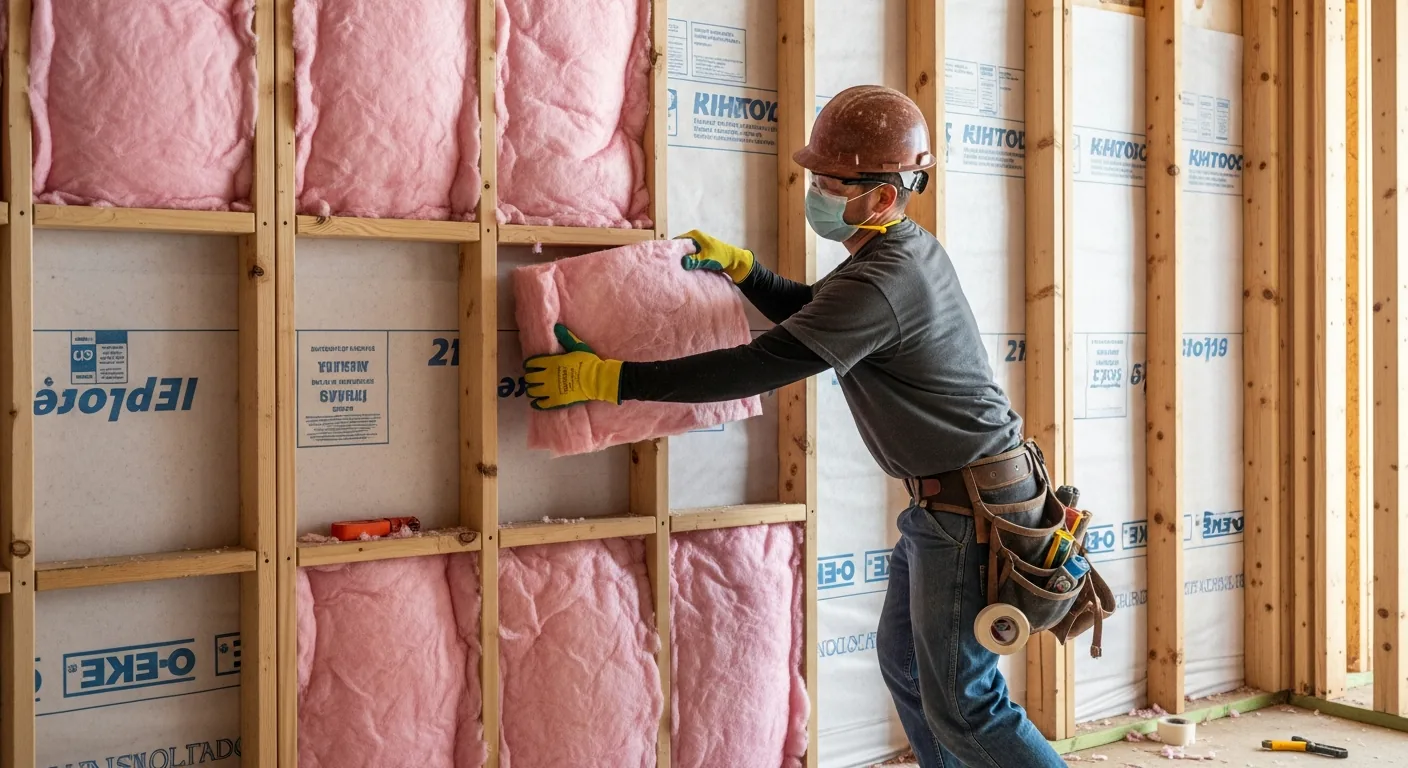
Fibreglass batt is the familiar pink insulation and is standard for wall cavities and some attic applications. It's affordable and widely available at Home Depot and Rona. For wall renovations where you're opening the walls anyway, batts are practical. One limitation: batts must be fitted precisely — gaps and compression significantly reduce performance.
Spray polyurethane foam (SPF) is the premium option and the best performer for rim joists, crawl space walls, and problem areas with air leakage. It seals and insulates simultaneously, which is why it's so effective at Edmonton's thermal bridging points. It must be installed by a certified spray foam contractor — it's not a DIY product.
Rigid foam board (XPS or EPS) is used under slabs, on exterior foundation walls, and in some above-grade wall assemblies. Common in new construction in Windermere, Summerside, and other newer Edmonton communities where builders are hitting higher energy targets.
🏠 Find Services By Neighbourhood
Looking for trusted tradespeople near you? Browse our Edmonton neighbourhood guides for local insights and service tips.
View All Edmonton Neighbourhoods →Efficiency Alberta Rebates
Efficiency Alberta manages energy efficiency incentive programs for Alberta homeowners. Insulation upgrades are among the most commonly rebated measures. Programs change regularly, but historically Edmonton homeowners have accessed:
- Rebates of $0.10 to $0.20 per RSI for attic insulation upgrades
- Grants for air sealing work done in conjunction with insulation
- Enhanced rebates for homes that get an EnerGuide energy assessment
The Canada Greener Homes Grant has also offered up to $5,600 for qualified insulation upgrades, though program availability changes. An EnerGuide home assessment — required for some federal grants — costs around $400 to $600 in Edmonton but can unlock thousands in rebate funding.
Cost Estimates for Insulation in Edmonton
- Attic blown cellulose (top-up to R-49): $1,200 – $3,500 for a typical Edmonton home, depending on attic size
- Rim joist spray foam: $800 – $2,000 for a full basement perimeter
- Basement wall rigid foam + studs + drywall: $5,000 – $15,000 depending on size and finish level
- Wall insulation upgrade (if walls are opened): $1,500 – $4,000 in materials for an average home