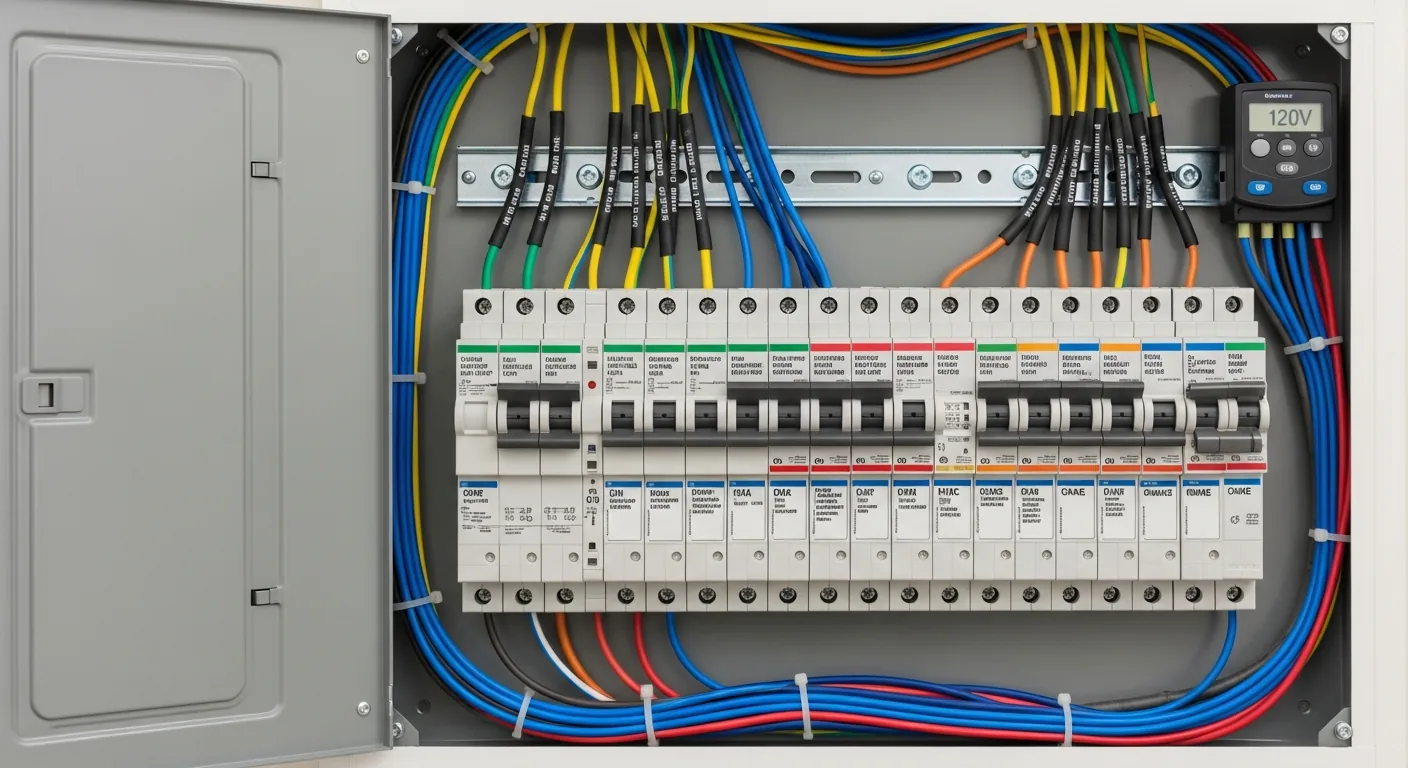
An outdated electrical panel is more than an inconvenience — it's a safety and insurance issue. In Edmonton's growing housing market, where homeowners are adding EV chargers, hot tubs, home offices, and high-demand appliances, the panel upgrade is one of the most common electrical projects. This guide tells you exactly when you need one, what it costs in Edmonton, and what the process looks like.
Signs You Need a Panel Upgrade in Edmonton
Several clear signals tell you your electrical panel isn't keeping up:
- You have a 60-amp or 100-amp panel — most modern Edmonton homes need 200 amps to comfortably handle today's electrical loads
- Breakers trip regularly — a well-designed panel shouldn't trip breakers under normal household use
- You can't add circuits — your panel is full and there's no room for new breakers
- You're adding high-demand equipment — an EV charger, electric vehicle, hot tub, or electric vehicle charging station draws significant power
- Your home has a Federal Pioneer, FPE Stab-Lok, or Zinsco panel — these brands have known defect histories and are often flagged by insurers
- Your insurance company is asking questions — some Edmonton insurers decline to cover or charge higher premiums for certain older panels
What a Panel Upgrade Involves
A residential panel upgrade in Edmonton typically takes one day for a journeyman electrician. Here's what happens:
- EPCOR contact and disconnect: Your electrician contacts EPCOR to arrange a temporary power disconnect at the meter. You'll be without power for several hours while the work is done.
- Old panel removal: The existing panel and main breaker are removed. All circuits are disconnected.
- New panel installation: A new 200-amp (or larger) panel is mounted and the service entrance wiring is connected.
- Circuit reconnection: All existing circuits are reconnected to the new panel. The electrician labels each breaker clearly — a code requirement that older panels often didn't meet.
- Permit inspection: A City of Edmonton Safety Codes Officer inspects the completed work. This is non-negotiable and takes place before the walls are closed up if any wiring in the wall was part of the project.
- EPCOR reconnection: Once the inspection passes, EPCOR restores power at the meter.
Cost of a Panel Upgrade in Edmonton
Costs vary depending on the complexity of your home's existing wiring, whether the service entrance cable needs to be upgraded, and other factors:
| Scenario | Typical Edmonton Cost |
|---|---|
| 100A to 200A upgrade (straightforward) | $2,000 – $3,200 |
| 60A to 200A upgrade (older home) | $2,500 – $4,500 |
| 200A to 200A panel replacement (defective panel) | $1,800 – $3,000 |
| Service entrance cable upgrade (if needed) | $500 – $1,500 additional |
| Permit fees (City of Edmonton) | $200 – $400 |
🏠 Find Services By Neighbourhood
Looking for trusted tradespeople near you? Browse our Edmonton neighbourhood guides for local insights and service tips.
View All Edmonton Neighbourhoods →Panel Upgrades and Insurance in Edmonton
Edmonton homeowners are sometimes surprised when their insurance company gets involved in their panel decisions. Here's what to know:
- Some Alberta insurers will not insure homes with Federal Pioneer (Stab-Lok) panels — they require replacement as a condition of coverage
- 60-amp panels can result in higher premiums or coverage limitations
- After a panel upgrade, always notify your insurer — it may reduce your premium and ensures your coverage is accurate
- Keep the permit and inspection documentation from the panel upgrade — your insurer may want to see it
Permit and Inspection Process
A panel upgrade always requires a permit in Edmonton. Your electrician should pull the permit before starting work — this is standard practice for any reputable Edmonton electrical contractor. The permit fee is paid to the City of Edmonton, and a Safety Codes Officer schedules an inspection. Inspections typically happen within a day or two of the request in Edmonton.
Do not drywall or close walls until the inspection is complete. The officer needs to see the wiring connections. Once the inspection passes, you'll receive a sticker or notice confirming the work is code-compliant — keep this with your home records.